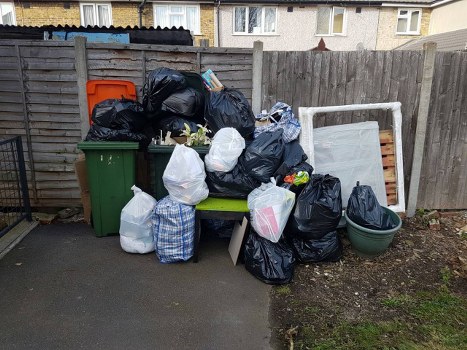
Health and Safety Policy for Business Waste Removal Sutton
Our company is committed to maintaining the highest standards of health and safety for all staff, clients and the public while delivering professional business waste removal and rubbish services. This policy defines responsibilities, procedures and controls that govern safe operation across our commercial waste removal activities. The policy applies to every aspect of our service area including office clearances, retail waste collection, and construction site rubbish removal, ensuring risks are managed and compliance with applicable health and safety principles is demonstrable.We aim to prevent injury and occupational ill-health by embedding risk assessment, training and safe systems of work into daily operations. All employees and contractors engaged in business rubbish collection are required to follow documented procedures, use appropriate personal protective equipment (PPE), and report hazards promptly. This policy sets out how we will identify hazards associated with waste handling, transport, sorting and disposal and how we will control them to protect people and the environment.
 The scope covers routine and non-routine tasks including manual handling of sacks and bulky items, operation of compactors and skips, driving and vehicle loading, handling hazardous or contaminated materials, and working at premises where waste is stored. Roles and responsibilities are clearly allocated: management provides leadership, supervisors enforce safe systems, and staff are expected to cooperate and take reasonable care. All incidents, near misses and safety concerns must be reported immediately; investigations will aim to identify root causes and prevent recurrence.
Risk Assessment and Safe Working Procedures
We conduct dynamic and formal risk assessments for each contract and task. Assessments consider manual handling risks, slip/trip hazards, exposure to hazardous substances, noise and vehicle movement risks from our rubbish collection vehicles. Controls include task-specific safe systems of work, exclusion zones around loading operations, vehicle-mounted safety aids and use of mechanical lifting aids where practicable. Regular review of risk assessments ensures they remain appropriate when we introduce new services or equipment.Training and competency are central to our approach. All operatives receive induction covering waste separation, safe lifting techniques, PPE use, and emergency procedures. Supervisors and drivers receive additional training in vehicle safety, load securing and route risk planning for business waste collection routes. We maintain training records and deliver refresher sessions to keep skills current. Workers are empowered to stop work if unsafe conditions arise and must notify supervisors without delay.
 Our vehicle and plant safety regime includes pre-shift checks, scheduled maintenance, and documented defect reporting. Drivers and crew are required to complete vehicle walkaround checks and log defects. Vehicles used for commercial waste removal are equipped with appropriate signage, secure load systems and containment to prevent spillage during transit. PPE standards include hi-vis clothing, safety footwear, gloves suitable for waste handling and eye protection where needed.
Waste Handling, Hazardous Materials and Environmental Controls
Segregation of waste at source reduces risk and ensures regulatory compliance when transporting different waste streams. Staff are trained to identify potentially hazardous waste and follow protocols for containment, labelling and isolation. In cases involving chemicals, sharps, asbestos or biological contamination, work will be stopped and specialist disposal arrangements engaged. Our policy emphasises minimising environmental impact through responsible handling and prompt remediation of any accidental releases.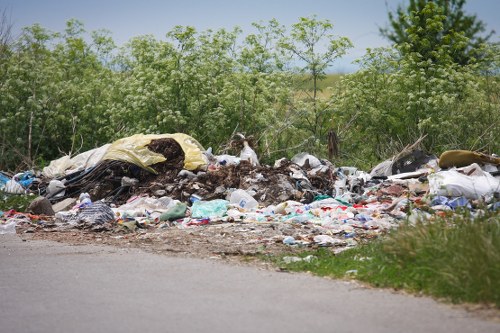 Responsibilities and monitoring: Management will ensure sufficient resources are available for safe operation, including adequate staffing levels, training budgets and maintenance provisions. Supervisors will monitor day-to-day compliance and perform regular safety inspections. We use documented checklists and audits to measure performance and identify opportunities for improvement. Corrective actions from monitoring activities are tracked to closure and reviewed for effectiveness.
 Key safety controls include:
- Clear allocation of duties and emergency contacts for each contract;
- Robust risk assessment and method statements for non-routine works;
- Mandatory PPE and safe lifting procedures for waste handlers;
- Vehicle safety checks, load security and driver competency verification;
- Procedures for segregating and managing hazardous or contaminated waste.
Contractor and subcontractor management is an integral part of our health and safety framework. All third parties engaged for aspects of business rubbish collection will be vetted for competence and provided with site-specific information. Evidence of insurance, training and relevant licenses will be requested where necessary. We will coordinate activities to ensure contractors operate within the same safety standards and report incidents promptly.
Emergency preparedness covers first aid, spill response, fire safety and vehicle incidents. First aid provisions are maintained and staff trained in basic response measures. Emergency procedures are clearly displayed and rehearsed through drills where appropriate. Where an evacuation is required, staff must follow the established muster points and procedures set out in site-specific plans that accompany each contract.
Monitoring, review and continuous improvement underpin this policy. We will conduct periodic audits, review incident trends and update procedures accordingly. Senior management will review this policy annually and after significant incidents to ensure it remains effective and aligned with best practice for commercial waste removal and rubbish clearance services. This policy is a living document and will be communicated to all employees, contractors and stakeholders involved in our operations.
Compliance with relevant health and safety principles and industry expectations is mandatory. While this policy does not list specific statutory references, the company is committed to meeting legal requirements and integrating recognised standards into our operations. Managers must ensure that operational decisions reflect both safety and environmental responsibilities when delivering business waste removal and rubbish removal services.
Conclusion: The safety of people and protection of the environment are fundamental to our business. Through clear leadership, documented procedures, competent staff and ongoing monitoring we commit to providing safe, reliable and responsible commercial waste services. Everyone has a role to play in making our workplace safer; adherence to this policy is a condition of employment and contract performance.
