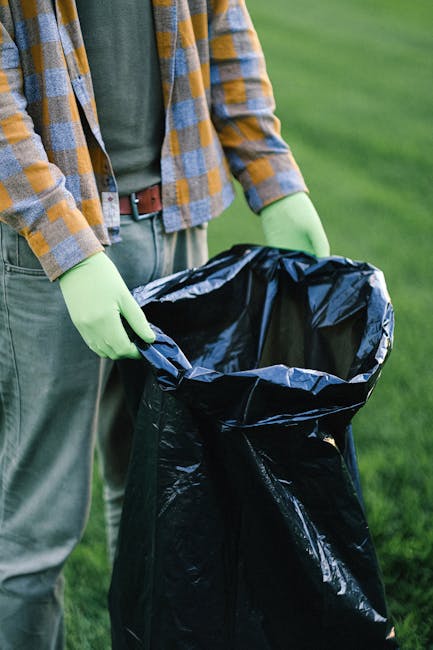
Nonsuch Park Event Rubbish Removal for Sutton Parks: A Practical Guide for Cleaner, Safer Events
Planning an event in a park is one of those things that looks simple from the outside and then suddenly becomes a bit of a juggle. You have the blankets, gazebos, signage, food packaging, cable ties, boxes, old decorations, and the odd broken chair leg that seems to appear from nowhere. If you are organising Nonsuch Park event rubbish removal for Sutton parks, the real challenge is not just getting rid of waste at the end; it is keeping the space tidy, safe, and pleasant throughout the event itself.
That matters a lot in Sutton parks, where public spaces are shared, footfall can be unpredictable, and a clean finish says as much about the event as the programme on the day. This guide walks through how event waste clearance works, what to expect, common pitfalls, and how to plan properly so you are not left staring at a mountain of bags after everyone has gone home. Truth be told, that final hour can be the messiest part of the whole day.
Why Nonsuch Park event rubbish removal for Sutton parks Matters
Park events create a very specific kind of waste. It is rarely the neat, ordinary sort you get from a house clearance. Instead, you often end up with mixed bags, drink containers, catering leftovers, cardboard, broken display materials, compostable items that are not really compostable in the way people think they are, and general litter spread across a wide area. In a place like Nonsuch Park, that spread matters. A few stray items can quickly become a visible problem, especially if wind picks up or people have been moving across grassed areas all day.
There is also the public-facing side of it. Visitors, volunteers, stallholders, and local residents all notice the same thing: whether the park has been respected. A tidy event area helps protect the reputation of the organiser and keeps the park usable for everyone else afterwards. If you have ever walked past a half-cleared site on a damp Monday morning, you know the feeling. It does not exactly invite confidence.
For Sutton parks generally, good rubbish removal supports more than appearance. It reduces slip hazards, prevents pests from being attracted to food waste, and helps keep recycling separate from general rubbish where possible. If the event includes temporary structures, signage, food prep zones, or any hired equipment, the post-event clear-up is part of the job, not an optional extra.
Expert summary: The best park event waste plan is simple: sort waste at source, keep collection points visible, clear as you go, and leave enough time for a final sweep after breakdown. The clean-up is easier when it starts before the event does.
How Nonsuch Park event rubbish removal for Sutton parks Works
Event rubbish removal usually works best when it is built into the event schedule, not treated as a last-minute add-on. In practical terms, that means thinking about where waste will be produced, how it will be collected, and when it will be taken away. For a small community gathering, it might be a few labelled sacks and a single post-event collection. For a larger park event, you may need multiple clear-up runs and different waste streams separated from the start.
A typical process looks like this:
- Pre-event planning: estimate likely waste volumes and identify the main waste types, such as food waste, packaging, cardboard, mixed rubbish, and broken items.
- On-site setup: place bins or sacks where people naturally drop waste, rather than hiding them out of sight.
- During-event monitoring: empty full containers before they overflow and keep an eye on high-traffic areas near stalls, seating, and entrances.
- Breakdown and collection: remove bags, larger items, and leftover materials once the event has finished.
- Final sweep: walk the site, checking corners, under benches, behind gazebos, and along paths where litter tends to collect.
In many cases, organisers use a broader waste service rather than one very narrow collection. That is where a page like waste removal becomes relevant, because event waste is often a mixed load and not just a bin-bag problem. If the event has food vendors or donated furniture and fixtures to clear afterwards, related services such as furniture clearance or garden clearance may also be useful depending on what needs shifting.
A good team will also understand sorting. Recyclables should not be thrown into the same bag as greasy food cartons if you want any chance of a cleaner disposal route. That sounds obvious, yet it is one of the first things to go wrong when people are rushing.
Key Benefits and Practical Advantages
There is a practical reason experienced organisers take event rubbish seriously: it saves time, hassle, and cost later. A clean, organised removal plan is usually much easier to manage than an emergency clear-up after the event has already drifted into chaos.
- Cleaner public space: the park is left tidy, which is especially important in shared Sutton green spaces.
- Safer site conditions: fewer trip hazards, fewer loose sharp items, and less risk from overflowing bags.
- Better recycling outcomes: separating cardboard, cans, and clean packaging can reduce mixed waste.
- Less stress for organisers: you are not left improvising at the end of a long day.
- Faster breakdown: waste crew and event staff can work in parallel rather than waiting on each other.
- Better public impression: visitors notice when an event has been managed properly, even if they do not say it out loud.
There is also a softer benefit that is easy to overlook. When people see bins that are emptied on time and the grounds kept clean, they tend to behave better. It sounds a bit too neat to be true, but it works. Well-managed spaces encourage better behaviour. It is one of those small event truths.
If the event includes office volunteers, sponsors, or traders, the same logic applies to their waste too. Materials from sign-in desks, temporary offices, and back-of-house storage can be handled through office clearance if you need a more structured clear-out after the event.
Who This Is For and When It Makes Sense
Nonsuch Park event rubbish removal is not just for big festivals. It can be the right fit for a surprising range of people and groups across Sutton parks. If your event produces more than a few normal bin bags, it is worth planning a dedicated clear-up.
- Community event organisers: fairs, family days, charity fundraisers, open-air performances, and seasonal gatherings.
- Food and drink traders: stalls with packaging, compostable serviceware, food scraps, and crates.
- Sports clubs and activity groups: tournaments, fun runs, training days, and award events.
- Schools and PTAs: picnics, summer events, and outdoor celebrations in or near park settings.
- Local businesses: promotional days, launch events, and staff socials held outside.
- Event crews and production teams: anyone bringing in temporary kit, staging, or signage that needs removing afterwards.
It also makes sense when the site is delicate. Grass can get damaged if heavy sacks are dragged over it. Wet weather makes everything slower. And if a park is busy with dog walkers or family visitors, you may have to clear waste in a more controlled way, not just pile it all at the edge and hope for the best. Hope is not a plan, as the saying goes.
For event organisers dealing with a broader mix of waste at home or in storage before or after the event, home clearance and house clearance can be useful planning references when you are trying to understand how mixed items are removed efficiently.
Step-by-Step Guidance
Here is a straightforward way to approach event rubbish removal without overcomplicating it. Keep it practical. Keep it visible. And keep one person responsible for the overall waste plan, because otherwise everything gets "handled" by everyone and nobody, which is a recipe for bags everywhere.
- Estimate the waste before the event. Think through the number of guests, food stalls, packaging, display materials, and setup items.
- Separate waste streams early. Put labels on bins and sacks so staff and traders know what goes where.
- Place collection points where people naturally gather. Entrances, refreshment areas, seating zones, and near exits all work better than a hidden corner.
- Set a mid-event emptying point. Even modest gatherings can produce more rubbish than expected halfway through the day.
- Keep bulky waste aside. Broken furniture, damaged signage, or event props should not be mixed with general litter.
- Do a perimeter check. Walk the edges of the site, because litter tends to drift there without much ceremony.
- Arrange the final removal promptly. The longer waste sits, the more likely it is to spread, smell, or attract unwanted attention.
One useful tactic is to combine waste removal with breakdown. As soon as a stall is packed down, remove its rubbish there and then. Do not let each team leave a "small pile" behind. Small piles grow legs, somehow.
If the event includes broken items, damaged fixtures, or leftovers from temporary set-builds, the right service may overlap with builders waste clearance. That is especially true when timber offcuts, packaging straps, and installation debris have built up during setup.
Expert Tips for Better Results
After enough event clear-ups, a few patterns become obvious. The first is that waste is much easier to manage when people can see the bins. The second is that the smallest logistics decision can make the biggest difference. A bin in the wrong place is basically a decoration.
- Use enough containers, then add one more. It is better to have spare capacity than one overfilled point that becomes a mess.
- Keep wet and dry waste apart where possible. Wet cardboard or food-soaked packaging can ruin an otherwise recyclable load.
- Assign a sweep crew. Even a small team with grabbers and gloves can make a huge difference in the last 20 minutes.
- Protect high-traffic edges. Paths, gateways, and seating areas need extra attention because litter clusters there.
- Plan for weather. A light breeze can turn one loose bag into half a site's problem before you have finished a tea break.
- Bundle similar items together. Crates with crates, cardboard with cardboard, metal with metal. It speeds up removal and sorting.
One small but useful habit is to keep a spare set of heavy-duty sacks, tape, and marker pens in the event kit. Simple thing. Saves a lot of faff. And if you have ever tried labelling bags in the dark while standing on damp grass, you will know why.
For waste that includes appliances, cold units, or catering equipment, it may be better to look at fridge and appliance removal rather than forcing everything into general rubbish. Likewise, if there are mattresses, sofa cushions, or other awkward soft furnishings from event staging, mattress and sofa disposal is the more sensible route.
Common Mistakes to Avoid
Most event waste problems are surprisingly predictable. They are rarely dramatic. Usually they are just a few poor decisions stacked together until the clean-up becomes annoying, slow, and more expensive than it needed to be.
- Leaving waste planning until the end. By then the rubbish has already defined the problem for you.
- Underestimating volume. Park events generate more packaging and mixed waste than many organisers expect.
- Mixing everything into one stream. That makes recycling harder and can increase disposal costs.
- Ignoring bulky items. Broken tables, signage frames, or display stands need a separate plan.
- Not assigning responsibility. If no one owns the process, no one fully manages it.
- Forgetting the last sweep. The site can look clean from one angle and still have litter tucked away behind barriers.
Another common issue is assuming bins will do all the work. They help, of course, but only if people know where they are and what goes into them. If bins are hidden behind a hedge or placed too far from the action, the rubbish just migrates elsewhere. Human behaviour. Always a factor.
For non-event waste or mixed commercial items left behind by organisers, business waste removal may be a better fit than ad hoc clear-up arrangements, especially where records, invoices, or operational materials also need to be dealt with properly.
Tools, Resources and Recommendations
You do not need a huge amount of kit to handle event rubbish well, but the right basics matter. The aim is to make the process easy for the people using the site and efficient for the people collecting from it.
| Tool or Item | Best Use | Why It Helps |
|---|---|---|
| Labelled sacks or bins | Separation of waste streams | Makes sorting obvious for staff, traders, and visitors |
| Heavy-duty gloves | Manual litter picking and bag handling | Safer and more comfortable during the final sweep |
| Litter pickers | Collecting scattered debris | Speeds up clean-up and reduces bending |
| Wheelie bins or sack frames | High-volume waste points | Stops bags collapsing or being blown over |
| Marker pens and tape | Quick bag identification | Useful when teams are working quickly or in shifts |
| Clear-up schedule | Timed collections during the event | Prevents rubbish build-up and overflow |
In some cases, it helps to think of the event clean-up as a broader waste project rather than a one-off tidy. If you need to understand what can go into mixed loads, the page on what can go in a skip is a useful reference point for general sorting habits, even if your event is not actually using a skip.
For organisers who want a stronger focus on disposal standards and environmental handling, recycling and sustainability is worth reading alongside any event plan. It is not about being perfect. It is about making better choices where you can.
Law, Compliance, Standards, or Best Practice
Event rubbish removal has a compliance angle, and it should not be brushed aside. In the UK, waste must be handled responsibly, and organisers are generally expected to take care that waste is stored, moved, and transferred in a lawful and safe way. You do not need to turn the whole thing into a legal seminar, but you do need to know who is responsible for the waste, where it goes, and how it is documented if required.
Best practice usually means the following:
- Use a licensed waste carrier for collection and disposal where appropriate.
- Keep waste secure so it cannot blow around or create hazards in public areas.
- Separate special waste carefully. Items like chemicals, broken electronics, batteries, or contaminated materials should never be mixed casually with general rubbish.
- Follow site rules and event permissions relating to park use, access, loading, and clear-up times.
- Protect public safety by keeping routes clear and removing sharp or heavy items quickly.
If your event has any hazardous or awkward waste, take it seriously. Do not guess. Do not "just put it in with the rest". For those situations, hazardous waste disposal is the safer and more sensible route.
It is also wise to check operational and safety guidance within your own planning process. Pages such as health and safety policy and insurance and safety can support a more organised approach, especially where contractors, volunteers, or public attendees are involved. Not glamorous reading, admittedly, but useful.
For organisers handling records, forms, or confidential material during an event, confidential shredding may be relevant too. Paperwork has a habit of showing up in the most inconvenient places.
Options, Methods, or Comparison Table
There is more than one way to manage event waste in Sutton parks. The right option depends on size, waste type, timing, and whether the waste is straightforward or mixed. Here is a simple comparison.
| Method | Best For | Strengths | Watch Outs |
|---|---|---|---|
| Manual bagging and sweep-up | Small community gatherings | Low-cost, simple, flexible | Can be slow if waste volume grows quickly |
| Planned waste removal collection | Medium to large park events | Reliable, less stress, cleaner finish | Needs scheduling and decent site access |
| Mixed-load clearance | Events with props, furniture, and packaging | Handles awkward items in one go | Sorting needs to be clearer from the start |
| Specialist item removal | Appliances, bulky furniture, soft furnishings | Safer handling of awkward waste | May require separate arrangements |
For many organisers, a blended approach is the sweet spot: use bins and litter picking during the event, then arrange a targeted post-event clearance for anything left behind. That combination usually keeps things sensible, and honestly, it stops the last hour from becoming a scramble.
Case Study or Real-World Example
Picture a Saturday afternoon community event in a Sutton park. There are food stalls, a small stage, children's activities, and a few pop-up tables near the entrance. By late afternoon, the visible waste is not huge, but it is spread around: cups near the seating area, cardboard under a stall canopy, food packaging by the queue, and a couple of broken crates from delivery.
The organiser takes a basic but effective approach. They place labelled sacks near the busiest points, ask each stallholder to keep a box for dry packaging, and schedule a clear-up team for the final hour. Once the event ends, the team removes mixed rubbish first, then works around the perimeter and behind the temporary structures. The last step is the one many people skip, but it matters most. A few stray wrappers in the grass can make the site look unfinished even if most of it is already clear.
Because the waste was separated a little better during the event, the collection is smoother and the load is easier to manage. No drama. No mountain of mystery bags. Just a clean end to the day.
That is the real lesson, I think: waste removal works best when it is built into the event from the first planning meeting, not added after everyone is tired and trying to pack a van in the dusk.
Practical Checklist
Use this checklist before, during, and after your event in Nonsuch Park or another Sutton park:
- Estimate the likely waste volume.
- Identify food waste, recyclables, mixed rubbish, and bulky items.
- Place bins where people naturally gather.
- Label containers clearly and simply.
- Assign one person to oversee waste management.
- Schedule at least one mid-event emptying point.
- Keep a final sweep time in the breakdown plan.
- Protect paths, entrances, and public walkways.
- Store waste securely so it does not spread.
- Separate any special or hazardous waste immediately.
- Remove bulky items with the right service, not by guesswork.
- Do one slow walk-through before leaving the site.
If you want a more structured booking route, book online is a practical place to start when timing matters and you need the job arranged without delay.
Get a free quote today and see how much you can save.
Conclusion
Nonsuch Park event rubbish removal for Sutton parks is really about control, cleanliness, and respect for the space you are using. When the waste plan is clear, the event feels calmer. People move more easily. The park looks cared for. The end of the day feels like an ending, not a mess that spills into tomorrow.
Whether you are running a small local gathering or a larger public event, the best approach is usually the same: plan waste early, keep it visible, remove it promptly, and do not leave the final sweep to chance. It is not the flashiest part of event management, but it may be one of the most important. A tidy park after an event says a lot, and in a nice way.
And if you get that last bag off the site before the light fades, there is a strange little relief in it. The good kind.
Frequently Asked Questions
What does Nonsuch Park event rubbish removal for Sutton parks usually include?
It usually includes collection and clearance of mixed event waste such as food packaging, drink containers, cardboard, bin bags, broken display items, and leftover materials after the event has finished.
Do I need a separate rubbish plan for a park event?
Yes, if the event is anything more than very small. Park events spread waste across a wider area, so a clear plan for bins, collection points, and final removal makes a real difference.
Can event waste be recycled?
Sometimes, yes. Clean cardboard, certain packaging, cans, and other separated materials may be recyclable, but only if they are kept away from food contamination and mixed rubbish.
What is the biggest mistake organisers make with park event waste?
The biggest mistake is leaving waste planning until the end. Once the event is over, bags are mixed, staff are tired, and the site is harder to clear efficiently.
How do I stop litter blowing around in Nonsuch Park?
Use enough bins, place them in visible locations, empty them before they overflow, and do a final perimeter sweep. A few loose items can travel surprisingly far on a breezy day.
Is bulky waste handled differently from general litter?
Yes. Bulky waste such as broken tables, signage, crates, furniture, or event fixtures is usually better handled separately so it can be removed safely and more efficiently.
What should I do with damaged catering equipment or appliances?
Do not mix them into the general rubbish if they are unsuitable for that stream. Specialist handling is often the safer option for appliances and similar items.
How far in advance should I arrange event rubbish removal?
As early as possible. For park events, it is wise to plan the clean-up at the same time as the event itself so there is no scramble afterwards.
Can a single team handle setup, event waste, and final clear-up?
They can, but only if roles are clearly assigned. In practice, one person should oversee waste management so collection does not become an afterthought.
What if the waste includes confidential papers or private documents?
That should be kept separate and dealt with securely through a confidential shredding process rather than added to general event waste.
How do I know if my waste provider is suitable for park events?
Look for clear communication, sensible scheduling, proper handling of mixed loads, and a practical approach to site safety and access. A good provider should make the process feel calm, not complicated.
Where can I find related help for other clearance needs?
Depending on what you are clearing, services such as furniture disposal or garage clearance may also be relevant, especially where the event leaves behind awkward items or stored materials.
What is the best final step before leaving the park?
Do one slow walk-through of the whole site. Check behind structures, under tables, along paths, and around the edges. It is the simplest way to catch the bits people miss when they are rushing.