Sutton SM1 town centre rubbish removal guide
If you are trying to clear waste in Sutton town centre, you quickly realise it is not just about getting rid of "stuff". Timing matters. Access matters. And in a busy SM1 setting, even a simple rubbish job can become awkward if you do not plan it properly. This Sutton SM1 town centre rubbish removal guide walks you through how it all works, what to watch out for, and how to choose the right approach without turning a tidy clear-out into a half-day headache.
Whether you are dealing with household clutter, office waste, builders' debris, old furniture, or a mixed load after a move, the aim is the same: remove it safely, legally, and without disrupting the day around you. Let's face it, nobody wants bags sitting by the entrance while you wait for a pickup window that keeps moving. The good news is that with a little preparation, rubbish removal in Sutton town centre can be surprisingly straightforward.
Expert summary: In a compact town-centre setting, the best rubbish removal plan is the one that combines clear sorting, realistic access planning, and a compliant disposal route. Fast is useful, but organised is what saves time and stress.
Why Sutton SM1 town centre rubbish removal Matters
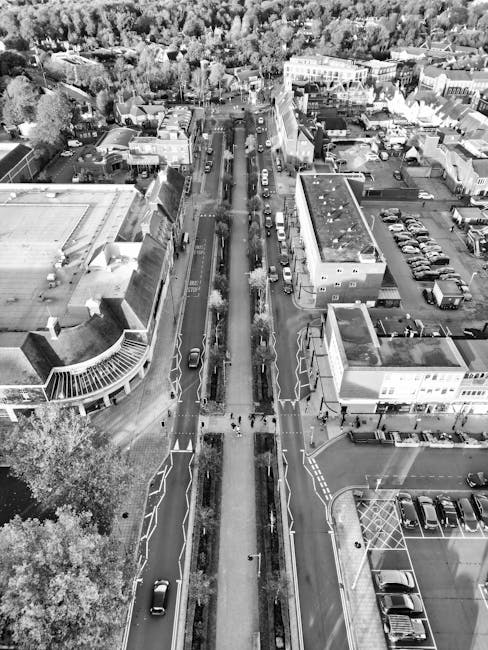
Sutton town centre has the usual mix of busy pavements, shared entrances, limited parking, and people coming and going all day. That changes how rubbish removal should be handled. In a quieter residential street, you may be able to leave items at the kerb and wait. In the town centre, that approach can create clutter, block access, or simply look untidy very quickly.
There is also the issue of mix-and-match waste. One minute you are clearing a broken wardrobe, the next you find printer cartridges, flat-pack packaging, a dusty rug, and a couple of bags of general rubbish that somehow multiplied overnight. Town-centre clearances often happen in real life like that. Rarely neat. Often messy. Completely normal.
Good rubbish removal matters because it keeps the space usable, reduces trip hazards, helps you avoid complaints from neighbours or nearby businesses, and lowers the chance of leaving waste in the wrong place. It also gives you a cleaner start, which sounds simple, but honestly changes the feel of a room or office straight away.
If you are managing a business, a flat, or a property in the centre of SM1, the right removal plan also supports continuity. Staff can keep working. Residents can get in and out. Contractors can keep moving. That is a big deal when the area is already lively from morning onwards.
How Sutton SM1 town centre rubbish removal Works
At its simplest, rubbish removal is the collection, loading, transport, sorting, and disposal of unwanted items and waste. In practice, though, the process usually has a few moving parts. You identify what needs to go, estimate the amount, choose the most suitable collection method, and arrange a pickup time that fits access and traffic conditions.
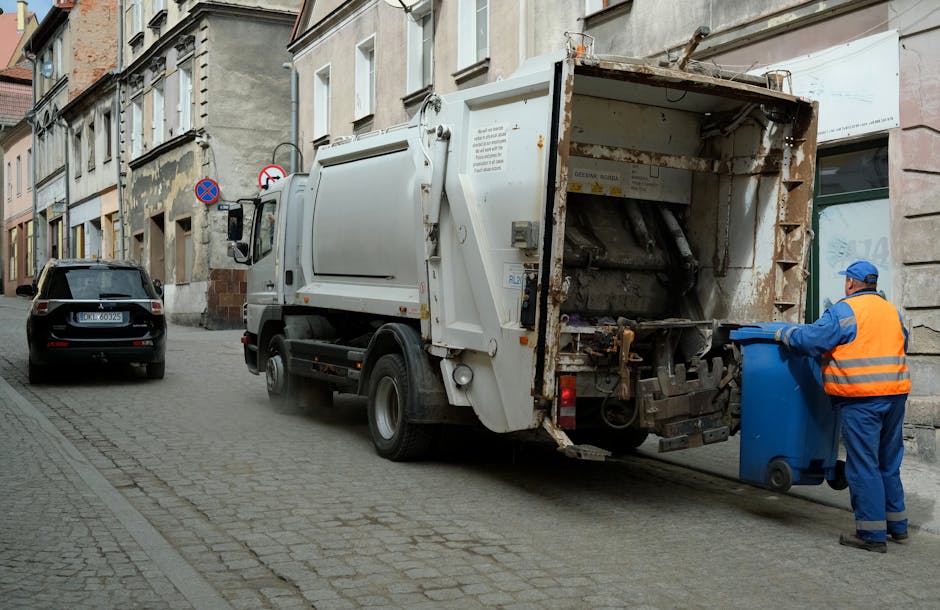
For a town-centre setting, collection often needs a bit more coordination than standard domestic waste removal. The team may need to consider loading space, stair access, lift access, tight doorways, or whether the waste is being taken from a shop, office, flat, or shared building. If there are heavy items, awkward furniture, or mixed waste, the job may require more than one person and the right equipment.
It is also worth noting that not every type of waste follows the same route. Some materials are suitable for recycling, some need specialist handling, and some should never be mixed with general rubbish. For example, if your clearance includes a fridge, appliance, or sofa, you may need a more specific disposal approach. You can read more about that on the site's fridge and appliance removal and mattress and sofa disposal pages.
If you are dealing with office waste, confidential papers, or archived files, then the removal process may need extra privacy controls. In that case, the confidential shredding service is a useful related option to consider. Different waste, different handling. Simple as that.
Typical flow of a town-centre clearance
- List the items or waste types that need removing.
- Sort out anything reusable, recyclable, or sensitive.
- Check access: stairs, lifts, parking, loading points, and timing.
- Choose the service type that matches the load.
- Arrange collection and keep the route clear on the day.
- Make sure the waste is transferred to a lawful disposal or recycling route.
That sounds orderly on paper, and usually it is. In the real world, someone always finds one more bag at the back of a cupboard, but that is part of the game.
Key Benefits and Practical Advantages
The main benefit of professional rubbish removal is obvious: the waste disappears and your space becomes usable again. But in Sutton SM1 town centre, the practical advantages go further than that. A well-run removal can reduce disruption, speed up property turnover, and make the entire job feel less chaotic.
Here are some of the clearest benefits:
- Less disruption: Waste is moved efficiently rather than sitting around for days.
- Better presentation: Important for shops, offices, lettings, and shared buildings.
- Safer access: Removes trip hazards, blocked corridors, and awkward stacking.
- Time saved: No repeated trips to disposal points or sorting out vehicle access yourself.
- More suitable handling: Mixed loads can be separated and dealt with properly.
- Cleaner end result: You get the space back properly, not half-cleared and still stressful.
There is also a mental benefit people underestimate. A room full of waste is noisy in your head, if that makes sense. Once it is gone, the space feels lighter. You can think again. You can plan what comes next. A small thing, maybe, but very real.
If you are comparing waste options, it can help to look at broader services too. For example, a mixed property clearance might be better suited to home clearance, house clearance, or office clearance rather than treating everything as generic rubbish. That distinction often saves time and prevents overspending.
Who This Is For and When It Makes Sense
This guide is useful for anyone dealing with waste in or around Sutton town centre, but it is especially relevant if your space is tight, shared, customer-facing, or time-sensitive. Town-centre rubbish removal is not only for big commercial jobs. Small, everyday clear-outs can benefit just as much.
It makes sense for:
- flat owners and tenants clearing clutter before a move
- landlords preparing a property between occupancies
- shops getting rid of display waste, packaging, or old fittings
- offices clearing desks, chairs, files, and broken equipment
- homeowners tackling a garage, loft, or spare room
- builders and tradespeople removing renovation debris
- people with bulky furniture that is too awkward to handle alone
For a few bags of rubbish, you may not need a full-scale clearance. For a mixed load, heavy items, or awkward access, a tailored removal service is usually the better shout. Truth be told, many jobs start as "just a few bits" and turn into a proper load by the time you've finished opening cupboards. It happens all the time.
If you are unsure which service is most suitable, the site's waste removal page is a practical starting point, while more specific jobs can be matched to services such as builders waste clearance or garden clearance.
Step-by-Step Guidance
If you want the smoothest possible result, follow a simple process rather than winging it. Town-centre clearances tend to go better when the prep is done first.
1. Walk through the space
Start by identifying every item that needs to go. Include hidden bits: under desks, behind storage, inside cupboards, on balconies, and in communal areas if relevant. A quick walk-through with a notebook or phone camera is often enough.
2. Separate waste into sensible groups
Keep general rubbish, recyclable materials, bulky items, electricals, and anything potentially hazardous apart. This is not just tidier; it also helps avoid mixing items that should be handled differently. A little sorting now can prevent a lot of faffing later.
3. Check access carefully
Look at the route from the waste location to the collection point. Are there steps? A narrow hallway? A lift with restrictions? Is parking available nearby? In SM1 town centre, access is often the deciding factor in how quickly a clearance can be completed.
4. Be realistic about volume
Underestimating waste volume is one of the most common mistakes. What looks like "a couple of items" can fill a vehicle faster than you expect. If in doubt, photograph the pile from a few angles. It is a simple habit, but very helpful.
5. Prepare the site
Move smaller items to one area if you can, open gates or doors in advance, and make sure the collection route is free from loose debris. If the job is in a flat or office, let neighbours, building staff, or reception know what is happening so no one is caught off guard.
6. Confirm what is included
Make sure you understand what will be removed, what will stay, and whether any items need specialist handling. For example, appliances, furniture, and confidential material may each require different treatment. If a load includes potentially risky waste, check the relevant guidance such as hazardous waste disposal.
7. Finish with a final sweep
Once the waste is gone, do a slow final check. Look behind doors, under counters, and around loading points. It is amazing how often a small item gets left behind. One missing bag can spoil an otherwise satisfying clean finish.
Expert Tips for Better Results
A few practical habits make a big difference, especially in a busy location. These are the details that people often skip until they have already made things harder than necessary.
- Measure awkward items first: Big furniture or equipment can be harder to move than to list. Check width, height, and stair turns before collection day.
- Bundle like with like: Cardboard, soft furnishings, and general rubbish are easier to process when they are not scattered everywhere.
- Photograph the load: It helps with planning, pricing, and avoiding surprises.
- Keep one clear path: Even a narrow, continuous route saves time and reduces damage risk.
- Pick quieter windows where possible: Early morning or mid-day can sometimes be easier than peak commuter hours in town.
- Ask about recycling: A responsible clearance should not send recyclable material straight to landfill without cause.
One thing I always tell people: do the boring prep, because boring prep is what saves the day. Not glamorous. Very effective.
If you are handling waste from a renovation, the details matter even more. You may also want to review what can go in a skip if you are comparing collection methods and want a better feel for what is usually accepted in a mixed load.
Common Mistakes to Avoid
Most rubbish-removal problems come from a few predictable mistakes. The good news is that nearly all of them are avoidable.
- Leaving waste until the last minute: This creates pressure and makes it harder to sort properly.
- Misjudging access: A van cannot help if it cannot reach the loading point, and a staircase is not magically wider just because you need it to be.
- Mixing dangerous items with general waste: That can create handling issues and may be non-compliant.
- Forgetting bulky items: Mattresses, sofas, fridges, and office chairs are often left out of the first count.
- Not checking disposal routes: A proper service should support lawful and responsible disposal, not just a quick pickup.
- Assuming every load is the same: It is not. A builder's mix is different from a flat clearance, and office waste is different again.
Another common issue is overstuffing communal bins or leaving bags in shared spaces. In a town-centre building, that can lead to friction fast. Best to avoid it if you can. Nobody enjoys being the person who created the mystery pile in the hallway.
Tools, Resources and Recommendations
You do not need fancy equipment to organise a sensible rubbish removal job. A few basic tools and planning aids are usually enough.
- Phone camera: Useful for recording the load and access points.
- Marker labels or tape: Handy for separating keep, donate, recycle, and remove piles.
- Gloves and sturdy footwear: Essential if you are shifting items yourself.
- Simple checklist: Helps avoid missed items and last-minute confusion.
- Measurements: Especially helpful for bulky furniture, appliances, and office items.
For readers comparing related services, the most useful site pages are often the ones that match the waste type rather than the location. That means looking at furniture clearance if you are getting rid of household items, garage clearance if the load is mixed storage waste, or loft clearance if the job is hidden away in a tight space.
For businesses, business waste removal and office clearance are often the better-fit pages to review first. That route usually makes the planning more precise, which is exactly what you want in a busy commercial area.
Law, Compliance, Standards, or Best Practice
When waste is moved in the UK, the key expectation is that it is handled responsibly and disposed of through lawful channels. You do not need to become a legal expert just to clear a room, but you should be cautious about who handles your waste and what happens to it after collection.
Good practice usually means checking that waste is sorted properly, that hazardous items are treated separately where needed, and that recyclable material is not carelessly mixed into general rubbish. If the waste includes electrical items, confidential documents, or materials that might present a health or safety issue, the handling route should reflect that.
Businesses in particular should be careful about mixed commercial waste. There can be expectations around segregation, safe handling, and record-keeping depending on the material involved. The practical takeaway is simple: don't leave it vague. If there is any doubt about what a load contains, be upfront about it early.
It is also sensible to review operational safeguards and standards on the provider side. Pages such as health and safety policy, insurance and safety, and recycling and sustainability help build confidence in how a service is run. In a town centre, where public access and shared spaces are part of daily life, that reassurance matters.
If you are arranging business-related disposal, financial processing and service terms matter too. The pages on payment and security and terms and conditions are worth checking so you know what is included before the job begins.
Options, Methods, or Comparison Table
There is more than one way to remove rubbish from Sutton SM1 town centre. The best choice depends on quantity, access, urgency, and waste type. Here is a practical comparison.
| Method | Best for | Strengths | Limitations |
|---|---|---|---|
| Self-clearance | Very small loads and easy access | Low direct cost, full control | Time-consuming, vehicle needed, disposal logistics on you |
| Skip hire | Longer projects and steady waste output | Good for ongoing work, useful for builders' waste | Needs space, permits may be required in some cases, items must fit accepted load rules |
| Man and van style removal | Mixed loads, bulky items, faster clearance | Flexible, convenient, less lifting for you | Less suited to very large or prolonged waste streams |
| Specialist item removal | Appliances, sofas, mattresses, hazardous or sensitive waste | Better handling for awkward or regulated items | May need separate booking or service type |
If you are unsure, ask yourself one question: do you need a one-off clear space, or do you need a temporary waste system? That answer usually points you in the right direction. Not always, but often enough.
For many town-centre customers, the sweet spot is a one-off removal for bulky or mixed waste, especially when access is limited. For ongoing works, a skip may make more sense. If your load is domestic and broad, a flat clearance or home clearance can be a cleaner fit than a generic waste job.
Case Study or Real-World Example
Picture a small office just off the Sutton town centre flow, with old desks, broken chairs, cardboard from a refit, and a few sacks of paperwork that can't simply be left in a bin. The team wants the space cleared before Monday morning. There is a lift, but it is narrow. Parking is limited. And by Friday afternoon, the room already feels tight.
In a case like that, the smart move is to sort the load first. Paperwork goes one way, furniture another, and any electrical bits are identified before collection day. The office keeps one route clear from the room to the exit. A photo is taken of the full load, which makes planning easier. The waste is then removed in one visit rather than several smaller, frustrating ones.
What tends to make the biggest difference is not brute force. It is preparation. The clearing team can work faster when the route is open, the items are grouped, and the access issues are known in advance. By the time the last chair goes, the room looks completely different. Cleaner. Quieter. Ready for use again.
That kind of result is common when the job is handled carefully. It is not glamorous, but it is satisfying in that nice, practical way. You open the door the next day and think, yes, that was worth doing properly.
Practical Checklist
Use this checklist before booking or carrying out rubbish removal in Sutton SM1 town centre.
- List every item or waste type that needs removing.
- Separate bulky furniture, general rubbish, recyclables, and anything sensitive.
- Check whether any item needs specialist handling.
- Measure large items and note access constraints.
- Confirm whether stairs, lifts, parking, or loading restrictions apply.
- Clear the route from the waste area to the exit.
- Photograph the load for reference.
- Decide whether a one-off removal or a broader clearance is the better fit.
- Review service terms, payment details, and safety expectations.
- Do a final sweep after removal to make sure nothing important was missed.
If your job includes a mix of furniture and household clutter, it may also help to look at furniture disposal and related clearance options before you book. It keeps expectations tidy, which is half the battle.
Get a free quote today and see how much you can save.
Conclusion
A good Sutton SM1 town centre rubbish removal guide comes down to one thing: removing waste in a way that suits the space you are working in. In a busy town-centre environment, that means planning for access, sorting the load properly, choosing the right disposal route, and keeping the whole process practical from start to finish.
Do that, and the job becomes much easier. The clutter goes. The room breathes again. The space feels useful instead of crowded. And to be fair, that's often what people want most - not just a cleared area, but a proper reset.
If you are ready to take the next step, start with the service that best matches your waste type, check the practical details, and book at a time that works for your day. Small bit of planning, big difference. That's usually how the best clearances happen.
Frequently Asked Questions
What is the best way to remove rubbish in Sutton SM1 town centre?
The best method depends on the amount and type of waste. For a small amount, self-clearance may work. For bulky, mixed, or awkward waste in a busy town-centre setting, a professional rubbish removal service is usually more efficient and less stressful.
Can I leave waste outside for collection in Sutton town centre?
You should be careful with this. Leaving waste outside can block access, create a nuisance, or cause problems with neighbours or building management. It is usually better to keep items contained and only move them out when collection is ready.
What types of waste are common in town-centre clearances?
Typical loads include general household rubbish, old furniture, office chairs, cardboard, packaging, refurbishment debris, appliances, and mixed clutter from flats, shops, or offices. Sometimes all in one go, which is very normal.
Do I need to sort rubbish before collection?
Sorting is strongly recommended. Separating general waste, recyclables, furniture, electrical items, and hazardous material makes the job smoother and helps ensure everything is handled correctly.
How do I know if I need a skip or rubbish removal service?
If waste is building up over several days or weeks and you have space for a container, a skip may suit the job. If you need quick removal, have limited access, or want bulky items taken away from inside a property, rubbish removal is often the better option.
What if my waste includes a fridge, mattress, or sofa?
Those items may need more specific handling. It is worth reviewing specialist services such as fridge and appliance removal and mattress and sofa disposal so the collection is matched to the item type.
Is office waste different from household rubbish?
Yes, usually. Office waste may include confidential papers, electronics, desks, chairs, and other items that need careful handling. If documents are sensitive, confidential shredding is a sensible extra step.
What should I check before booking a collection?
Check the item list, access route, parking or loading restrictions, and whether any items are hazardous or unusually heavy. It is also smart to confirm the service scope and payment terms in advance.
Can builders' waste be removed from a town-centre property?
Yes, but it is often best to use a service that specifically handles construction or renovation debris. Builders waste clearance is usually the most relevant place to start.
What happens to the waste after collection?
Responsible waste should be sorted for reuse, recycling, or lawful disposal depending on the material. The exact route depends on what has been collected, but the aim should always be to handle it properly rather than simply moving it elsewhere.
How can I make town-centre rubbish removal quicker?
Group the waste, clear the route, take photos, and remove any items you want to keep before the collection day. The more organised the site is, the faster the removal usually goes. It really does make a difference.
Where can I find more information about service options?
It helps to compare the service that matches your waste type. For domestic jobs, home clearance, house clearance, and flat clearance are useful starting points, while businesses may prefer business waste removal or office clearance.